
After a dental treatment in Istanbul, the type of procedure, your health condition, and the healing progress determine when a return trip is advisable. Different recommendations apply after a filling compared to a tooth extraction, implantation, or bone augmentation. Therefore, plan time for an on‑site check‑up and a possible additional treatment appointment.
Plan healing and return travel already before the treatment
Discuss before booking which treatment is planned, how many appointments are required, and which complaints may arise. A treatment plan created from photos remains provisional. Only the examination and, if necessary, required X‑rays allow a reliable assessment.
Have the procedure, possible alternatives, and after‑care explained in understandable terms. Informed consent also includes risks, follow‑up costs, and the option to decline or postpone a treatment.
For more information, see our treatment options. Also discover our clinics and our medical team.
Different procedures require different healing times
Fillings, crowns and veneers
After fillings or the placement of dental prostheses, teeth may be temporarily sensitive. A problematic bite should be checked before departure. Veneers and crowns often involve permanent removal of tooth structure. Depending on the findings, more tooth‑conserving alternatives such as composite buildups or orthodontic treatment may be appropriate.
Tooth extraction, implants and bone augmentation
After surgical procedures, pain, swelling, and slight post‑operative bleeding can occur. Swelling often increases during the first two to three days and then subsides. The gum tissue heals faster than the underlying bone; the integration of an implant usually takes several months.
Managing the first days after the procedure
Follow the written instructions from your treating practice. After a tooth extraction, a blood clot protects the wound. Vigorous rinsing, sucking on the wound, and smoking can impair healing. Initially avoid sports and heavy physical exertion.
- Eat only after the anesthesia has sufficiently worn off.
- Start with soft, not too hot foods.
- Brush the remaining teeth carefully and protect the surgical area as instructed.
- Take painkillers and other medications only as agreed.
Antibiotics are not required after every procedure. Do not start or extend the course on your own.
Tailor the return flight after Istanbul treatment individually
There is no universal waiting period for the return flight. The key factors are bleeding freedom, manageable discomfort, and a stable general condition. After an operative procedure, arrange a check‑up before departure if possible. An early return may make necessary follow‑up treatments more difficult.
After a sinus lift, i.e., bone augmentation of the floor of the maxillary sinus, or an opened connection to the sinus, special precautions apply. Pressure changes can be relevant. Have it explicitly stated when you may fly and what behavior rules apply.
Recognize warning signs and seek help promptly
Increasing pain after initial improvement, fever, pus, or a swelling that becomes more pronounced should be evaluated by a dentist promptly. A bleeding that does not stop despite recommended measures also requires assessment.
With shortness of breath, swallowing difficulties, or rapidly increasing swelling, you need immediate medical assistance. Do not wait until the return flight.
Prepare follow‑up care in Germany reliably
Arrange in advance a practice for necessary check‑ups in Germany. Clarify who is reachable in case of complications and who will cover additional treatments. Statutory and private insurance do not automatically cover planned treatments in Turkey or their consequences; have your specific coverage checked beforehand.
Bring findings, X‑ray images, a treatment report, and for implants the implant passport. It should document the manufacturer and components used. These documents facilitate further treatment, especially if replacement parts are needed later. Also keep invoices, consent forms, and medication plans.
Provisional dental prostheses require special attention
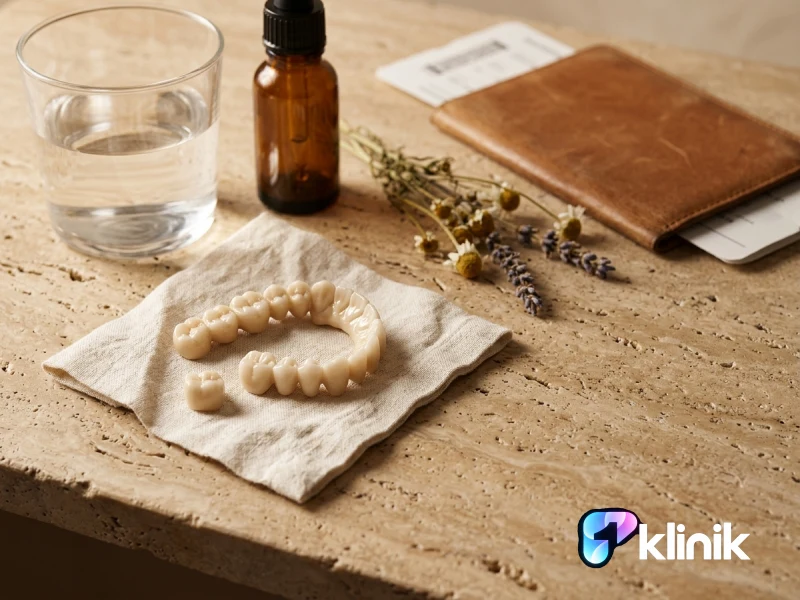
Between the tooth preparation and the placement of the final restoration, many patients wear a provisional. It protects the prepared teeth and maintains appearance and chewing function. Its fixation is often intentionally less permanent so that it can be removed at the next appointment.
Avoid sticky foods such as caramel and try not to bite hard foods with provisionally restored front teeth. If the restoration becomes loose, schedule an appointment. Never use household glue: it can damage tissue and make later fixation more difficult.
Immediate loading does not mean unrestricted load capacity
In certain implant treatments, a fixed prosthesis is placed shortly after the operation. This immediate loading is only possible under suitable conditions, such as sufficient initial stability of the implants. It does not mean that the connection between implant and bone has fully healed to bear load.
Maintain the agreed loading protocol even if the new teeth feel stable. Excessive chewing forces can jeopardize integration. Have a clear explanation of which foods are allowed and when the load may be increased.
Coordinate accommodation and companion for recovery
A quiet accommodation with a short connection to the clinic facilitates recovery. Especially after extensive procedures, check whether an elevator, suitable meals, and an uncomplicated extension of the stay are available. A packed sightseeing program can add extra strain.
Organize support after sedation or general anesthesia
After sedation or general anesthesia, attention and reaction ability may be reduced longer than you notice. For the period set by the anesthesia practice, you may not, for example, drive yourself or make important decisions. Arrange a pickup and the required supervision by an adult.
Carry medications for the home journey safely
Keep needed medications preferably in their original packaging in hand luggage. This ensures they remain available in case of luggage delay. For certain substances, especially narcotic painkillers, special import and documentation requirements may apply. Check these in advance with the responsible authorities.
Also discuss interactions with your regular medication. Do not stop blood thinners on your own. Alcohol can enhance the effect of sedative or certain analgesic drugs and should be avoided while taking them.
Check appearance and speech before final fixation
Use the try‑in to assess tooth shape, colour, and lip support. Speak several longer sentences and check whether the tongue or cheeks feel constrained. Especially with extensive restorations, an adaptation period may be needed; however, significant problems should be addressed before final fixation.
A digital preview gives an impression of the planned result. However, it only limitedly represents biological limits, material properties, and the eventual feel in the mouth.
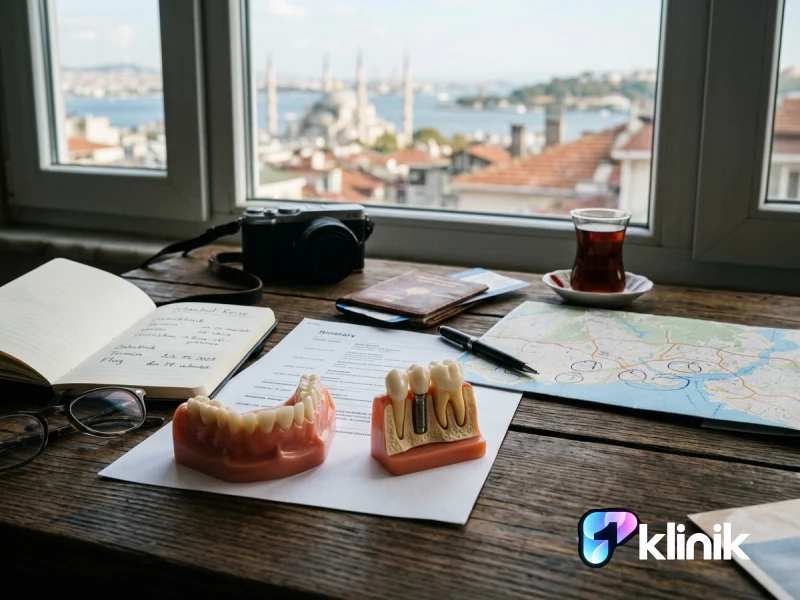 Dental prostheticsDental bridges and implants compared
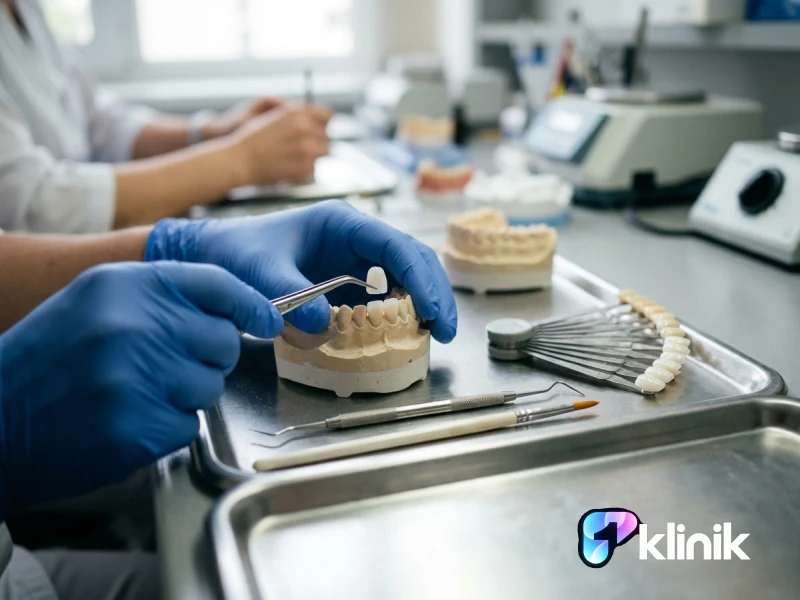 Aesthetic DentistryTeeth whitening or veneers: Which solution fits?
 Aesthetic DentistryHollywood Smile: Natural Aesthetics and Veneers